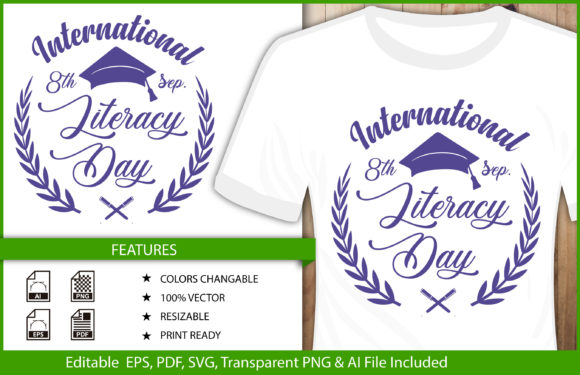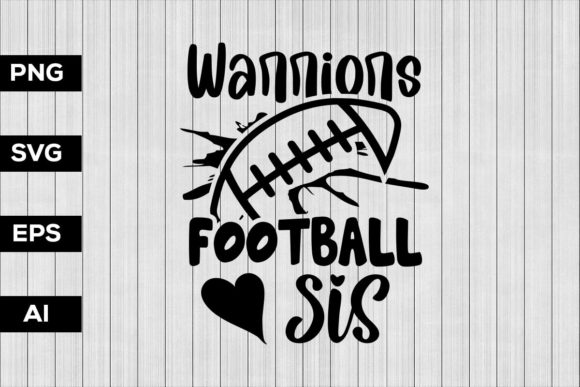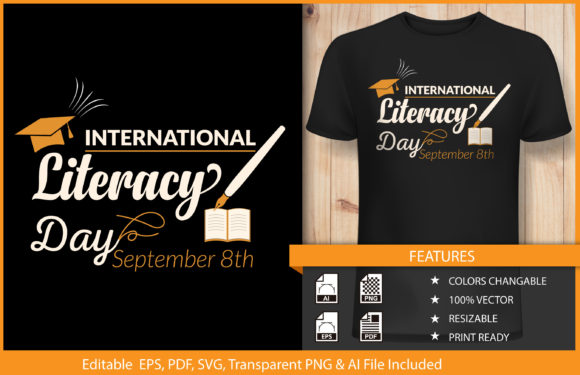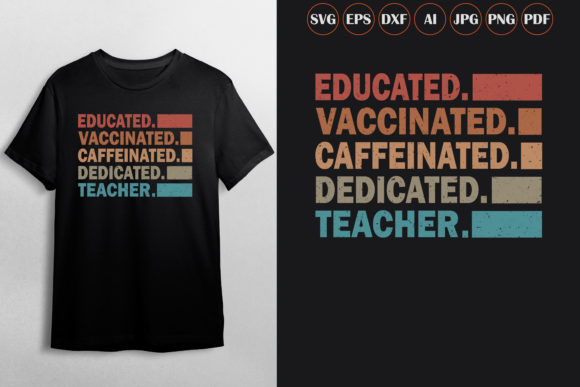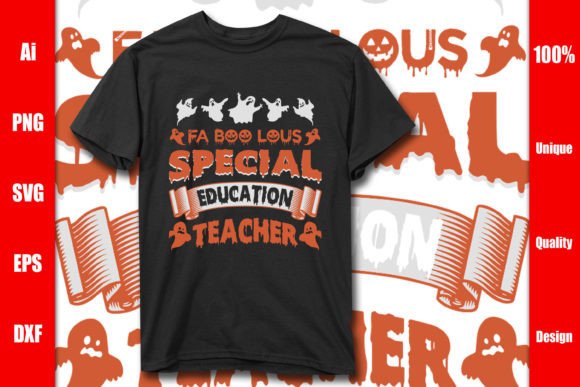
T-Shirt Teaching Our Future Leaders Text
A Typography Design That Speaks Before It’s Stitched
First glance at T-Shirt Teaching Our Future Leaders Text tells you it’s built for clarity—not clutter. As a designer who’s stitched hundreds of typography-based embroidery files, I appreciate how this vector illustration leans into clean, confident letterforms without overcomplicating the message. There’s no ornate script, no distracting flourishes—just strong, balanced uppercase and title-case lettering that reads instantly at arm’s length. It feels warm but professional, aspirational but grounded. That balance matters: when you’re embroidering for teachers, schools, PTA groups, or early childhood brands, tone is as important as thread count.
Where This Design Earns Its Keep—Real Projects, Real Fabric
Last week, I used T-Shirt Teaching Our Future Leaders Text to develop a small-batch embroidered tote bag series for a local Montessori co-op. We chose natural canvas totes, medium-weight cotton twill aprons, and unbleached linen tea towels—all with different fabric textures and drape. The design held up beautifully on the totes and aprons, where the letter spacing and stroke weight translated cleanly into satin stitch. On the tea towels, though, I slowed down: tighter weave + looser tension meant I needed slightly higher stabilizer support and a test run on scrap to avoid puckering around the “T” and “L” crossbars.
It’s also working well in baby embroidery—think organic cotton onesies and muslin swaddle blankets—but only when scaled to 3.5–4 inches wide. Smaller than that, the internal negative space between letters starts to fill in during stitching, especially on stretchy knits. I wouldn’t recommend it for infant caps or curved surfaces like beanies unless you’ve confirmed the file includes underlay or has been digitized specifically for headwear.
What Works—and Where You’ll Want to Pause
T-Shirt Teaching Our Future Leaders Text shines brightest on structured, stable fabrics: midweight cotton, fleece-lined sweatshirts, denim jackets, and woven cotton patches. Its strength lies in legibility—not intricacy—so it’s ideal for custom apparel meant to be seen and understood quickly: staff uniforms, school spirit gear, boutique nursery decor, or personalized graduation gifts.
That said, it demands attention before going live on certain materials:
- Dark fabric? Test thread color contrast first—especially for the word “Leaders.” Light gray or cream thread can disappear on navy or charcoal without proper density adjustment.
- Thin or sheer fabric? Use cutaway stabilizer underneath. Fill stitches will show through lightweight voile or rayon blends if not properly supported.
- Stretchy fabric (like jersey t-shirts)? Hoop with light tear-away + topping, and reduce stitch density slightly to prevent distortion. Running stitch outlines help define edges here.
- Curved surfaces (caps, curved pillow covers)? Check whether the original vector was adapted for curve-aware digitizing—or plan to reposition and scale manually to avoid letter compression.
How It Shapes Perception—Beyond the Thread
Typography carries quiet authority in handmade products. When customers see T-Shirt Teaching Our Future Leaders Text stitched cleanly onto a teacher’s apron or a principal’s sweatshirt, it doesn’t just say “I work with kids”—it signals intention, care, and quiet confidence. That translates directly to perceived value. A well-executed version elevates your craft business from “cute gift shop item” to “thoughtful, brand-aligned product.”
For Etsy sellers and small shop owners, this design supports storytelling: pair it with a short origin note (“Embroidered by hand in our studio to honor educators shaping tomorrow”) and it becomes more than decoration—it becomes connection. But that only works if the finished product looks intentional. Crooked alignment, inconsistent letter height, or thread breaks in the “g” descender undermine trust fast. So always inspect the digital embroidery file for consistent stitch direction and smooth transitions between characters before sending to machine.
Practical Notes Every Embroidery Designer Should Run Through
Before using T-Shirt Teaching Our Future Leaders Text in any commercial embroidery project—or listing it as part of your own digital embroidery file shop—run these checks:
- Test on scrap fabric that matches your final material, using the same needle, thread, and stabilizer combo.
- Review stitch density: high-density fills may overwhelm delicate fabrics; low-density runs risk looking thin or broken on dark backgrounds.
- Confirm hoop size compatibility: does the full phrase fit comfortably within your standard 4x4 or 5x7 hoop? If not, consider splitting the phrase across two lines or adjusting kerning digitally.
- Inspect small details: look closely at terminals, junctions, and serifs (if present)—they’re where thread nests or skipped stitches often hide.
- Check black-and-white mockups: what reads clearly in color may blur in monochrome previews—critical for printable mockups or catalog listings.
- Compare light vs. dark fabric backgrounds: adjust thread saturation and stitch count accordingly.
- Use appropriate stabilizer: cutaway for knits, tear-away for wovens, fusible for lightweight linens.
- Verify licensing terms: if reselling finished items, confirm the original Graphics license permits commercial use. If selling the embroidery file itself, ensure you hold full rights or have redistribution permission.
Final Thought: Not Just a Phrase—A Practical Anchor
T-Shirt Teaching Our Future Leaders Text isn’t flashy—but it’s reliable. In a market flooded with overly complex T-Shirt Designs, its simplicity becomes its strongest asset. It’s the kind of embroidery file that disappears into the garment while making the message impossible to ignore. Whether you’re building a line of nursery-themed pillow covers, launching a teacher appreciation campaign, or stocking your craft fair booth with meaningful sweatshirt embroidery, this design earns its place by doing one thing exceptionally well: speaking with quiet, steady clarity—stitch after careful stitch.