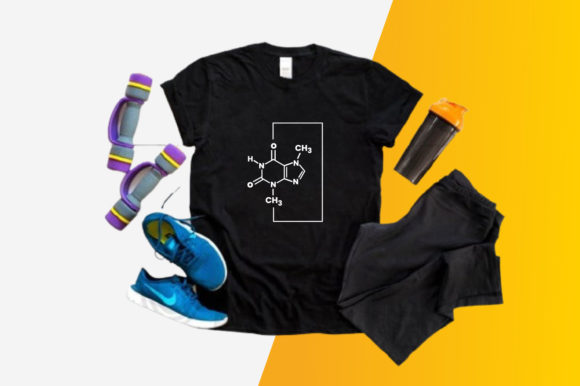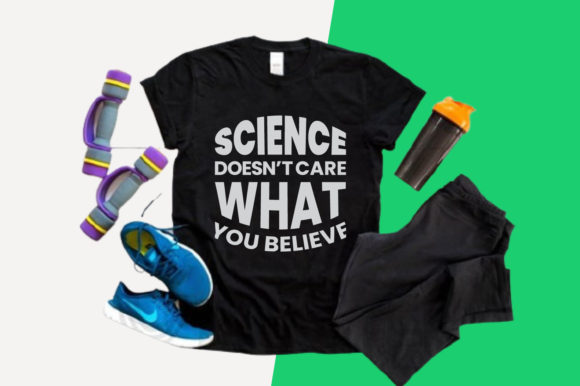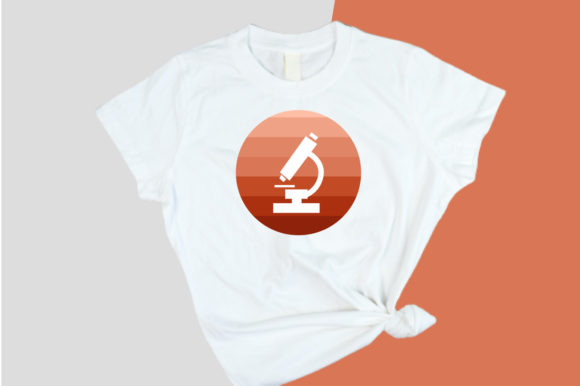
Science T-shirt Vector SVG Design
A Designer’s First Look: Clean, Friendly, and Ready for Real Stitching
When I opened Science T-shirt Vector SVG Design, my first thought wasn’t “cute” or “trendy”—it was “this will stitch cleanly.” That’s rare. The layout is balanced but not stiff: a central science motif—likely atoms, beakers, or stylized DNA—paired with clean, legible typography that avoids overcomplication. There’s breathing room built into the design, which tells me the creator understood embroidery constraints, not just vector aesthetics. It feels like a handmade product waiting to happen—not a clipart afterthought. I immediately pictured it on a natural cotton tote bag for a local science camp fundraiser: relaxed, smart, and quietly confident.
Where This Design Shines in Real Embroidery Projects
Science T-shirt Vector SVG Design works best where clarity and charm matter more than flash. On a lightweight sweatshirt for a high school chemistry teacher? Yes—it reads at arm’s length and holds up after repeated washes. On a baby onesie? With minor simplification (more on that shortly), it becomes a gentle, meaningful nursery detail. As an embroidered patch sewn onto a lab coat or backpack? Its balanced proportions and moderate detail level mean it won’t pucker or distort under wear.
It’s also a strong candidate for custom apparel sold by Etsy sellers or small shop owners—especially those curating gifts for educators, STEM professionals, or curious kids. The theme has broad appeal without leaning into cliché, and the vector foundation means it scales well for both a tiny cap front and a large pillow cover. For holiday embroidery or wedding gifts (think: “Lab Partner Since 2018” on a tea towel), it adds personality without overwhelming the item.
Where to Proceed Thoughtfully
This isn’t a one-size-fits-all machine embroidery design. Its strengths become limitations if applied without intention. On stretchy fabric like jersey t-shirts, the outer edges may shift unless stabilized properly—so double-layer tear-away + cut-away stabilizer is non-negotiable. On dark fabric, test thread colors early: light grays or soft blues often read better than stark white, especially in satin stitch areas. And on curved surfaces like caps? Avoid placing fine text or tight loops near the crown seam—those details can compress or blur during hooping.
I’d also pause before using it full-size on thin fabric like voile or lightweight linen. Fill stitch density matters here—if the original file packs too many stitches into small zones, it’ll stiffen the fabric unnaturally. Same goes for textured fabrics: heavy weaves or terry cloth may hide subtle lines, so simplify or bold key outlines before digitizing.
Small Hoop Sizes & Tiny Details: A Reality Check
If you’re working with a 4x4 hoop—or smaller—the full design likely won’t fit as-is. Don’t force it. Instead, isolate the core symbol (e.g., the atom icon) and use it standalone. That version becomes a versatile applique design for baby embroidery or boutique branding. As for lettering: if the text includes subscripts (like H₂O) or fine serifs, assume those will need manual cleanup for embroidery. Running stitch outlines help, but they won’t save unreadable 6-pt type. Always inspect small corners and junctions in your embroidery software—what looks crisp on screen rarely stitches crisply at 1:10 scale.
How It Shapes Perception—Before and After Stitching
Customers don’t buy designs—they buy confidence, meaning, and care. Science T-shirt Vector SVG Design supports that when used intentionally. On a personalized gift, it signals thoughtfulness (“They knew my passion”). In a craft fair booth, it elevates a plain tote into a conversation starter. But misused—cramped on a cap, muddled on dark denim, or stitched with low-contrast thread—it undermines trust. Handmade presentation hinges on consistency, and this design delivers *if* you honor its natural scale and rhythm.
For digital product sellers, it’s solid design assets material—but only if you verify licensing. The description says “You can use this design file,” but doesn’t clarify commercial rights. Before listing it as part of an Etsy seller bundle or bundling it into a printable mockup pack, confirm whether redistribution or resale of the vector file itself is permitted.
Practical Notes Every Embroidery Designer Should Run Through
- Test first—always stitch a sample on scrap fabric matching your final project’s weight and stretch.
- Check thread color contrast on both light and dark backgrounds—don’t rely on screen previews alone.
- Review stitch density in fill areas; dense sections may require reduced density or alternate fill patterns for breathability.
- Confirm hoop size compatibility before digitizing—especially for caps, patches, or baby items.
- Inspect small details in your embroidery software: are anchor points clean? Are overlapping paths resolved?
- Try black-and-white mockups to assess visual weight and hierarchy without color distraction.
- Use proper stabilizer—this isn’t optional for textured or unstable fabrics.
- Verify dual-use suitability: does the file support both personal projects and commercial embroidery? Check license terms carefully.
Final Thought: A Quietly Capable Design Asset
Science T-shirt Vector SVG Design won’t shout from a shelf—but it earns respect stitch by stitch. It’s the kind of digital embroidery file that grows with your craft business: useful for quick custom orders, adaptable for seasonal collections, and trustworthy enough to include in a premium boutique line. Whether you’re prepping a holiday embroidery run or building a signature collection of Print Templates for fellow makers, this design earns its place—not because it’s flashy, but because it’s functional, friendly, and finished with quiet intention. Just remember: great embroidery starts with thoughtful choices, not just pretty vectors.